Guntur District

Temples

gemini generated image x40j32x40j32x40j

Sri Sai Baba Temple – Guntur City

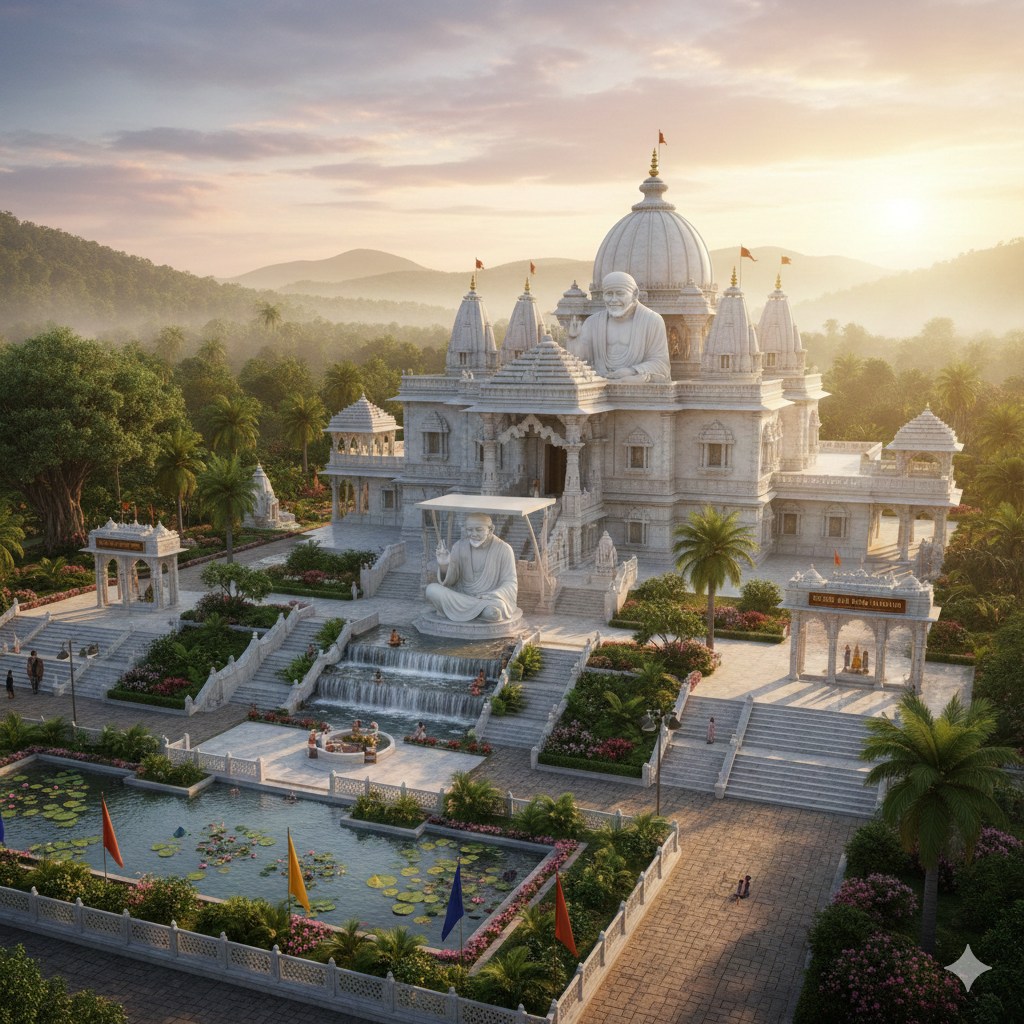
The Sri Sai Baba Temple in Guntur City stands as a beacon of faith, peace, and devotion, attracting devotees from all walks of life who come to seek the blessings of Shirdi Sai Baba. Located in the heart of the bustling city, this temple offers a serene escape from the daily chaos — a space where spirituality and calmness embrace every visitor. Built with the vision of spreading Sai Baba’s message of love, service, and universal brotherhood, the temple has grown into one of the most visited spiritual centers in Guntur. The architecture combines modern design with traditional elements, featuring a beautifully crafted white marble idol of Sai Baba seated in his characteristic posture — blessing devotees with compassion and tranquility. The sanctum is adorned with floral decorations and glowing lamps that create a divine atmosphere throughout the day. The temple conducts daily aartis — Kakad Aarti, Madhyan Aarti, Dhoop Aarti, and Shej Aarti — following the same ritual sequence as in Shirdi. Thursdays, considered sacred to Sai Baba, witness large gatherings of devotees offering prayers, lighting lamps, and distributing prasadam with devotion. The fragrance of incense, the rhythmic chants of “Om Sai Ram”, and the soft devotional music elevate the spiritual experience, leaving every visitor feeling blessed and content. Apart from spiritual activities, the temple management actively engages in charitable and community service initiatives. Regular Annadanam (free food distribution), blood donation drives, and support programs for the underprivileged reflect Sai Baba’s core philosophy of “Sabka Malik Ek” — meaning, “God is One for All.” These services strengthen the bond between the temple and the local community, turning faith into meaningful action. During festivals like Guru Purnima, Vijayadashami (Sai Baba’s Maha Samadhi Day), and Ram Navami, the temple is beautifully illuminated with lights and floral decorations. Special bhajans, devotional programs, and processions are organized, drawing devotees not only from Guntur but also from neighboring towns and districts. With its blend of devotion, peace, and service, the Sri Sai Baba Temple in Guntur stands as a symbol of spiritual unity and compassion. It continues to inspire thousands of devotees to follow Baba’s teachings of kindness, humility, and selfless love — making it not just a temple, but a true spiritual sanctuary at the heart of Guntur City.

Sri Sai Baba Temple – Guntur City Read More »
download (39)

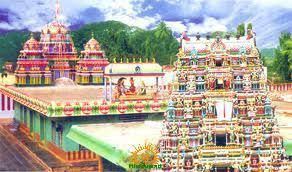
Sri Venkateswara Swamy Temple – Tenali

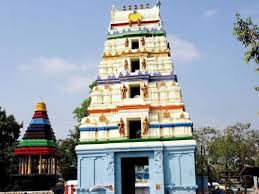
The Sri Venkateswara Swamy Temple in Tenali, located in the heart of Guntur District, is one of the most revered and beautiful temples in coastal Andhra Pradesh. Dedicated to Lord Venkateswara, an incarnation of Lord Vishnu, the temple is a symbol of devotion, peace, and divine grace. It is often affectionately referred to as the “Mini Tirupati of Guntur District” because of its architectural resemblance to the world-famous Tirumala Temple in Tirupati. The temple stands as a shining example of Dravidian temple architecture, featuring intricately carved gopurams (towering gateways), ornate pillars, and divine sculptures that depict scenes from Hindu mythology. The sanctum sanctorum houses a captivating idol of Lord Venkateswara, adorned with jewels, flowers, and a golden crown. The deity’s presence radiates a profound sense of calmness and faith among devotees who visit from near and far. Every day, rituals and pujas are performed with great devotion, following traditional Vedic customs. The temple priests conduct Suprabhata Seva, Archana, and Abhishekam ceremonies, accompanied by the chanting of sacred hymns. The sound of bells, conch shells, and devotional music fills the air, creating a spiritually uplifting atmosphere. During festivals, the temple becomes a center of divine celebration. The Brahmotsavam, Vaikunta Ekadasi, and Sri Rama Navami festivals are celebrated with grandeur, drawing thousands of devotees from across the region. The temple premises are beautifully illuminated with oil lamps and colorful lights, and special prasadam (holy offering) such as laddus and pulihora (tamarind rice) are distributed among devotees. Beyond its religious importance, the Sri Venkateswara Swamy Temple also serves as a symbol of cultural unity and devotion in Tenali. People of all communities visit the temple to seek blessings for prosperity, health, and happiness. The serene ambiance, coupled with the temple’s architectural splendor, makes it a must-visit spiritual destination in Guntur District. Situated conveniently within the city, the temple is easily accessible to visitors and is often surrounded by lively markets selling flowers, coconuts, and sacred items. The temple trust also organizes charitable activities like Annadanam (free meals) and medical camps, reflecting the essence of compassion and service that Lord Venkateswara embodies. In essence, the Sri Venkateswara Swamy Temple of Tenali is not just a place of worship — it is a divine experience that reflects the spiritual heritage, faith, and cultural beauty of Andhra Pradesh.

Sri Venkateswara Swamy Temple – Tenali Read More »

download (38)

Sri Lakshmi Narasimha Swamy Temple – Mangalagiri

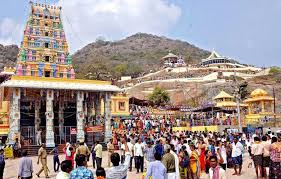
The Sri Lakshmi Narasimha Swamy Temple, located in Mangalagiri, Guntur District, Andhra Pradesh, is one of the most ancient and revered temples in South India. Dedicated to Lord Narasimha, the fourth incarnation of Lord Vishnu, the temple holds immense religious, historical, and cultural significance. The word “Mangalagiri” literally means “The Auspicious Hill,” and the town is considered one of the eight sacred places (Astakshetras) where Lord Vishnu manifested Himself. The temple complex is unique because it consists of three temples of Narasimha Swamy, representing different divine forms: Among these, the Panakala Narasimha Swamy Temple is the most renowned. It is believed that Lord Narasimha himself drinks the “Panakam” (a sweet jaggery water offering) poured into His mouth by devotees. The miracle lies in the fact that the offering produces a gurgling sound as if the deity is actually drinking it, and the remaining portion of the jaggery water is thrown back, symbolizing divine acceptance. This unique ritual, observed nowhere else in the world, draws thousands of pilgrims each year. The temple architecture follows traditional Dravidian style, with beautifully sculpted gopurams (temple towers), stone carvings, and ancient inscriptions depicting stories from the Puranas. The temple’s entrance tower (Raja Gopuram) was built by Vasireddy Venkatadri Nayudu, the zamindar of Chintapalli and a great devotee of Lord Narasimha, who played a significant role in developing the shrine during the 18th century. The temple also houses the idol of Goddess Lakshmi, consort of Lord Narasimha, symbolizing love, compassion, and prosperity. The divine energy of the deity is said to protect devotees from evil forces and fulfill their spiritual aspirations. Festivals like Narasimha Jayanti, Brahmotsavam, and Vaikunta Ekadasi are celebrated here with grandeur. During these times, the temple witnesses vibrant processions, chanting of Vedic hymns, devotional music, and massive gatherings of devotees dressed in traditional attire. From the hilltop, pilgrims are treated to a mesmerizing panoramic view of Mangalagiri town and the lush green surroundings of Guntur district. The temple stands not just as a place of worship but as a symbol of faith, devotion, and architectural excellence, reflecting the rich spiritual heritage of Andhra Pradesh.

Sri Lakshmi Narasimha Swamy Temple – Mangalagiri Read More »

images (9)

Kotappakonda Sri Trikoteswara Swamy Temple – Kotappakonda

The Kotappakonda Sri Trikoteswara Swamy Temple is one of the most revered and picturesque temples in Guntur District, dedicated to Lord Shiva. Nestled atop the majestic Trikuta Hills, the temple derives its name from the Sanskrit words “Tri” (three) and “Kota” (hill), meaning “the Lord of the Three Hills.” The hill’s three distinct peaks represent the divine trinity — Brahma, Vishnu, and Maheshwara, symbolizing creation, preservation, and destruction. Located about 25 kilometers from Narasaraopet, Kotappakonda is not just a pilgrimage center but also a place of natural beauty and tranquility. The temple’s serene surroundings, lush greenery, and panoramic views of the Guntur countryside make it a perfect spiritual retreat. The temple’s presiding deity, Sri Trikoteswara Swamy, is worshipped as a powerful manifestation of Lord Shiva. Devotees believe that offering prayers here removes obstacles, brings prosperity, and grants inner peace. The temple complex also includes shrines for Goddess Parvati, Lord Vinayaka, and Lord Subramanya Swamy, adding to its divine aura. The grand festival Kotappakonda Tirunallu, celebrated every year during Maha Shivaratri, attracts thousands of pilgrims from all over Andhra Pradesh and beyond. Devotees arrive with beautifully decorated bullock carts, carrying offerings and traditional lamps, creating a vibrant and spiritual spectacle. The hill is illuminated at night, and the entire atmosphere resonates with chants of “Om Namah Shivaya.” Besides its religious importance, the temple showcases Dravidian-style architecture, with intricate carvings and stone sculptures depicting mythological stories. The place is also a favorite for travelers, photographers, and devotees seeking divine blessings amid nature’s grandeur. Kotappakonda truly stands as a symbol of faith, devotion, and timeless heritage, reflecting Guntur’s deep-rooted spiritual culture.

Kotappakonda Sri Trikoteswara Swamy Temple – Kotappakonda Read More »

download (37)

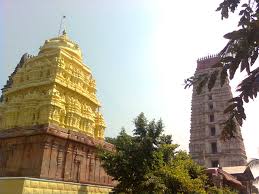
Amaralingeswara Swamy Temple – Amaravathi

The Amaralingeswara Swamy Temple, located in Amaravathi, Guntur District, is one of the most revered and ancient temples in Andhra Pradesh. Dedicated to Lord Shiva, this temple holds immense spiritual, historical, and cultural importance and is celebrated as one of the Pancharama Kshetras — the five sacred shrines of Lord Shiva in the Telugu-speaking states. Perched gracefully on the southern bank of the Krishna River, the temple is believed to have been built during the 2nd century CE by the Satavahana kings, making it one of the oldest continuously worshiped temples in South India. The temple’s name — Amaralingeswara — is derived from the presiding deity Lord Amareswara (Lord Shiva), enshrined here as a massive Shiva Lingam that is believed to grow in height over time. According to legend, this sacred lingam was established by Lord Indra, the King of the Gods, to atone for his sins after defeating a demon named Tarakasura. The temple thus symbolizes divine forgiveness, cosmic energy, and spiritual renewal. The name Amaravathi itself means “Abode of the Immortals,” highlighting its deep connection to divine mythologies and celestial beings. Architecturally, the Amaralingeswara Temple stands as a masterpiece of Dravidian temple design, with intricately carved stone pillars, mandapams, and a towering gopuram that showcases the craftsmanship of ancient artisans. The sanctum sanctorum houses the tall Shiva Lingam, often adorned with sandalwood paste and flowers, while the surrounding shrines are dedicated to Goddess Parvati (Balatripura Sundari), Lord Ganesha, Lord Subrahmanya, and Lord Vishnu. The temple attracts thousands of devotees and tourists, especially during the festivals of Maha Shivaratri, Kartika Masam, and Krishna Pushkaralu, when the entire town of Amaravathi transforms into a vibrant spiritual hub. The nearby Amaravathi Stupa, a Buddhist heritage site dating back over 2,000 years, adds to the region’s sacred and historical allure, making it a confluence of Hindu and Buddhist spiritual traditions. The serene atmosphere of the temple, combined with the gentle flow of the Krishna River, offers an aura of peace and devotion. Pilgrims often take a holy dip in the river before offering prayers, believing it purifies both body and soul. Today, the Amaralingeswara Swamy Temple stands not just as a place of worship but as a symbol of Andhra Pradesh’s enduring spiritual legacy, drawing seekers, historians, and travelers alike to witness its timeless divinity and architectural grace.

Amaralingeswara Swamy Temple – Amaravathi Read More »

Jobs
News
Home
Listings
Contact Us