Guntur District

Festivals

images (40)

Krishna Pushkaralu

Krishna Pushkaralu is one of the most significant and spiritually enriching festivals celebrated in the Guntur region, dedicated to the holy Krishna River, which flows gracefully through Andhra Pradesh. The festival, held once every twelve years, marks the transit of Jupiter (Guru) into the zodiac sign Virgo (Kanya Rasi), an event considered highly auspicious according to Hindu astrology. During Krishna Pushkaralu, devotees from across India and abroad gather along the banks of the Krishna River, especially near Amaravathi, Vedadri, and other sacred ghats in Guntur District, to take a holy dip (Pushkara Snanam). This ritual bath is believed to cleanse one’s sins, purify the soul, and bless devotees with prosperity and peace. The festival typically spans 12 days, each day representing a unique spiritual significance. The ghats are beautifully decorated with lights, flowers, and religious symbols. Devotees perform pujas, homams (fire rituals), pindapradanam (ancestral offerings), and charity works, invoking blessings for themselves and their families. Spiritual discourses, bhajans, and classical music performances create an atmosphere of devotion and unity. Guntur transforms into a vibrant pilgrimage destination during this time. The Andhra Pradesh government organizes special arrangements, including temporary ghats, sanitation facilities, and cultural programs to ensure a comfortable experience for the millions of pilgrims visiting the area. The festival also becomes a symbol of community harmony, as people from all walks of life — regardless of caste, creed, or status — come together to honor the sacred Krishna River. In the Guntur region, major Pushkar ghats like Durga Ghat (Amaravathi), Vedadri Narasimha Swamy Temple Ghat, and Ferris Ghat are particularly famous for their grand celebrations. Religious leaders and saints lead mass prayers and processions, while temple bells and chants of “Govinda Hari Govinda” echo across the riverbanks. Beyond its religious value, Krishna Pushkaralu also reflects the cultural heritage of Andhra Pradesh — blending spirituality, tradition, and community service. It is not just a festival but a living expression of faith and devotion that connects generations to the timeless flow of the Krishna River.

Krishna Pushkaralu Read More »

images (8)

Ugadi (Telugu New Year)

Ugadi, also known as Yugadi, marks the beginning of the Telugu New Year and is celebrated with immense joy and devotion across Andhra Pradesh, especially in Guntur District. The word “Ugadi” is derived from the Sanskrit words “Yuga” (age) and “Adi” (beginning), symbolizing the dawn of a new era. Falling usually in March or April, this festival coincides with the onset of spring, a time when nature rejuvenates with new leaves, blossoms, and prosperity. In Guntur, the celebrations of Ugadi blend spiritual significance, cultural vibrancy, and traditional values. The day begins with devotees waking up early for an auspicious oil bath (Abhyangam), followed by decorating their homes with fresh mango leaves and colorful rangolis. The aroma of festive dishes fills the air, as families prepare special delicacies, with Ugadi Pachadi being the centerpiece. This unique dish, made from six ingredients — tamarind, neem flowers, jaggery, salt, raw mango, and chili — represents the different flavors of life: happiness, sadness, anger, fear, disgust, and surprise. It reminds everyone to embrace all emotions with balance and gratitude in the coming year. Temples across Guntur, such as Amaralingeswara Temple in Amaravathi and Kotappakonda Temple, hold special pujas and panchanga sravanam (astrological reading for the year). Priests chant prayers seeking blessings for health, prosperity, and peace for all devotees. Cultural programs, traditional music, and folk dances often mark the celebrations in local communities and schools. Many people also start new ventures, believing Ugadi to be one of the most auspicious days of the year. Beyond rituals, Ugadi carries deep emotional meaning for the people of Guntur. It represents renewal — a chance to leave behind the old and welcome new beginnings with optimism and faith. Families gather, elders bless the young, and communities unite in a spirit of joy and togetherness. As the gentle spring breeze flows through the fertile fields of Guntur, Ugadi reminds everyone of hope, harmony, and the timeless rhythm of nature’s cycles — marking not just the start of a new year, but a celebration of life itself.

Ugadi (Telugu New Year) Read More »

download (35)

Diwali (Deepavali)

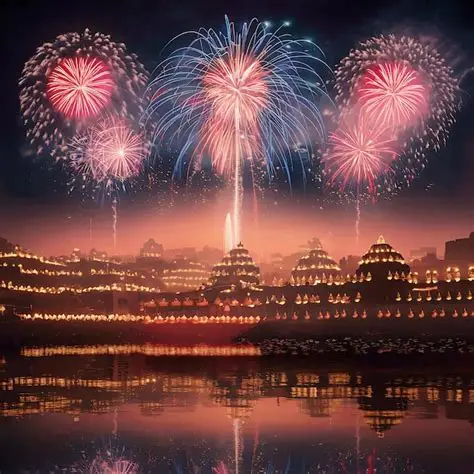
Diwali, also known as Deepavali, is one of the most joyous and significant festivals celebrated in Guntur, symbolizing the victory of light over darkness and good over evil. The word Deepavali literally means “a row of lights,” and the festival truly transforms the city into a spectacle of illumination, warmth, and devotion. In Guntur, the celebrations begin days in advance with homes being cleaned, decorated, and adorned with colorful rangolis and rows of diyas (oil lamps). The markets, especially in areas like Arundelpet, Brodipet, and Kothapet, bustle with festive energy as people shop for new clothes, sweets, and gifts. Local sweet shops overflow with traditional delicacies such as boondi laddoo, kaja, mysore pak, and pootharekulu, which are shared joyfully among friends and families. As the evening of Diwali approaches, the entire city lights up with shimmering diyas, electric lanterns, and vibrant fairy lights. The skyline of Guntur glows with bursts of fireworks and crackers, reflecting the collective happiness of its people. Families gather for Lakshmi Puja, worshipping the Goddess of wealth and prosperity, seeking blessings for a healthy and successful year ahead. The spirit of Diwali in Guntur extends beyond homes — temples and public places are beautifully decorated, and local communities organize cultural events, devotional singing, and light shows. Neighborhoods often come together for shared celebrations, where elders bless the younger ones and distribute sweets, symbolizing harmony and goodwill. In rural parts of Guntur district, Diwali retains its traditional charm. Villages glow with oil lamps placed around houses and temples, and people celebrate by lighting bonfires, bursting firecrackers, and preparing festive feasts. The festival fosters a sense of unity among people of all ages and backgrounds. Beyond its religious significance, Diwali in Guntur represents joy, renewal, and hope. It marks a time when families reunite, communities strengthen, and the city radiates positivity and beauty. The echoing sounds of crackers, the fragrance of flowers and incense, and the glimmer of countless lights make Diwali in Guntur a truly unforgettable celebration of life and light.

Diwali (Deepavali) Read More »

download (34)

Sankranti (Pongal)

Sankranti, also known as Pongal or Pedda Panduga, is one of the most celebrated and culturally rich festivals in Guntur District. It marks the harvest season and the transition of the Sun into the Capricorn (Makara) zodiac sign, symbolizing the end of winter and the beginning of longer, warmer days. The festival, usually observed in mid-January, brings together the agricultural, spiritual, and social essence of rural Andhra life, making it one of the most colorful and joyous times in the region. The festival begins with Bhogi, where people discard old items and light bonfires before dawn, symbolizing a fresh start and the cleansing of negativity. The streets of Guntur villages glow with the warmth of fires as families gather around, singing traditional folk songs and enjoying the first celebrations. Houses are cleaned and freshly painted, with vibrant rangolis (muggu) drawn at the entrance using colored powders, flowers, and rice flour. The third day, Kanuma, honors the cattle and acknowledges their contribution to farming life. Farmers organize friendly competitions such as bullock cart races, cockfights (Kodi Pandalu) in some areas, and village fairs (jatras) that attract large crowds. The celebration represents the bond between humans and animals in agrarian culture, reflecting the deep-rooted respect for nature and livelihood. The final day, Mukkanuma, is more of a community gathering day. Families visit relatives, share festive meals, and organize cultural programs, folk dances, and traditional music events. In urban parts of Guntur, like Brodipet and Kothapet, people engage in kite flying competitions, painting the sky with vivid colors.

Sankranti (Pongal) Read More »

download (33)

Kotappakonda Tirunallu

Kotappakonda Tirunallu is one of the most celebrated and spiritually enriching festivals in Guntur District, held in honor of Lord Shiva at the sacred Kotappakonda Temple, also known as Trikutaparvatam — a hill with three distinct peaks symbolizing the holy Trinity of Brahma, Vishnu, and Maheshwara. The festival is observed every year on the auspicious occasion of Maha Shivaratri, attracting lakhs of devotees from across Andhra Pradesh and neighboring states. The temple, situated on a picturesque hill about 7 km from Narasaraopet, offers a mesmerizing view of the lush green surroundings and the majestic three peaks that form its unique landscape. During Tirunallu, the entire region transforms into a spiritual and festive hub, filled with devotion, color, and cultural energy. As the festival approaches, devotees from villages and towns begin their pilgrimage, many traveling barefoot or pulling intricately decorated bullock carts (prabhalu) — one of the festival’s most iconic traditions. These carts, adorned with lights, flowers, and colorful fabrics, symbolize devotion and unity. The journey to Kotappakonda is not just a physical one but a deeply emotional and spiritual experience for devotees, reflecting faith, gratitude, and cultural pride. The highlight of Kotappakonda Tirunallu is the night-long celebrations that include chanting of hymns, temple rituals, and cultural performances like classical dance, music, and folk art that showcase Andhra’s rich heritage. The temple complex and the surrounding hills are illuminated with thousands of oil lamps and electric lights, creating a divine spectacle visible from miles away. Vendors set up stalls selling local crafts, traditional foods, toys, and souvenirs, turning the festival into a vibrant fairground for families and visitors. The air resonates with the sounds of temple bells, chants of “Har Har Mahadev,” and the rhythmic beats of traditional drums, making it a truly divine atmosphere. Apart from its religious significance, Kotappakonda Tirunallu represents the spirit of unity and tradition in Guntur District. It is not only a day of worship but a celebration of life, faith, and community togetherness. People from all walks of life, irrespective of caste or background, participate with devotion and enthusiasm, making it a symbol of cultural harmony.

Kotappakonda Tirunallu Read More »

Jobs
News
Home
Listings
Contact Us