History of Solan
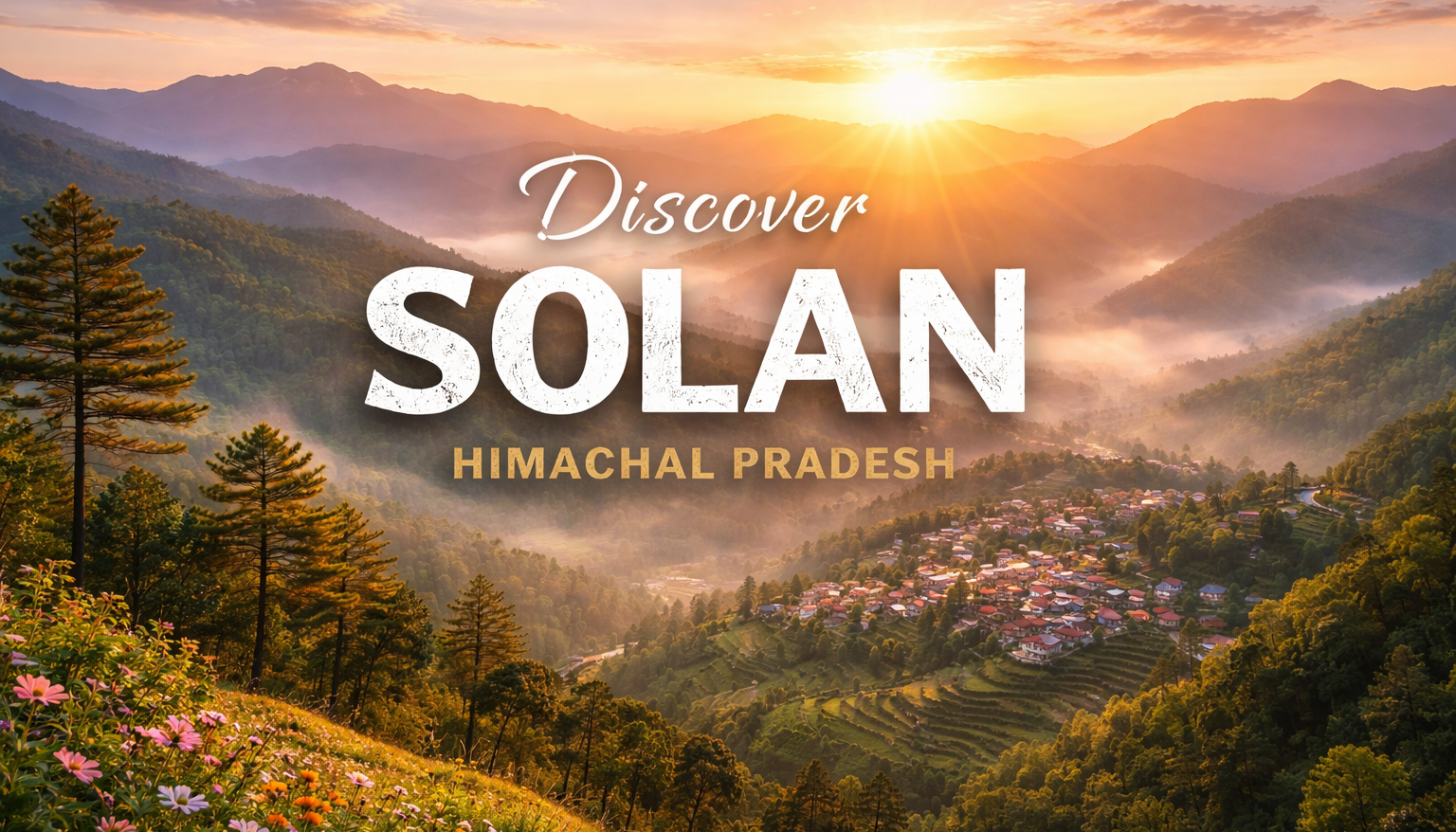
The ancient history of Solan is closely linked to the cultural and political evolution of the lower Himalayan region in present-day Himachal Pradesh. Though not widely documented in early classical texts, the area formed part of the ancient hill states that flourished in the Shivalik ranges.In ancient times, the Solan region was inhabited by indigenous hill tribes who practiced agriculture and pastoralism. The fertile valleys and forested hills made it ideal for early settlements. Over time, small principalities emerged, governed by local chieftains.
Prehistoric & Early Tribal Period
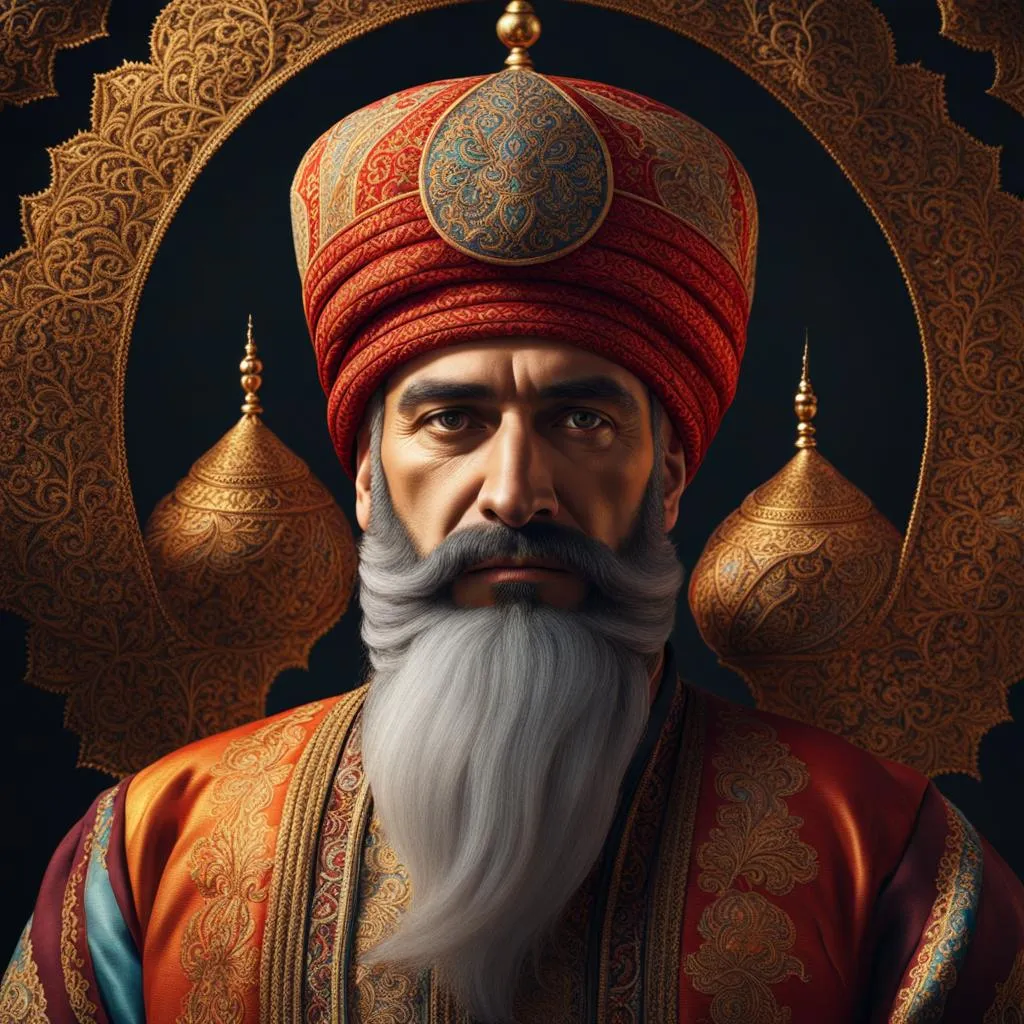
Solan, often called the “Mushroom City of India,” is located in the lower Shivalik hills of Himachal Pradesh. Beyond its modern identity, Solan has a deep-rooted ancient history shaped by tribal cultures, mythological traditions, powerful empires, and Rajput hill kingdoms. Its strategic location between the plains of North India and the Himalayan highlands made it historically significant.Before organized kingdoms emerged, the Solan region was inhabited by early Himalayan tribes such as: Koli, Kirat,HaliThese tribes lived in forested hills, practiced primitive agriculture, hunting, and animal husbandry. Archaeological findings in nearby Himachal regions suggest early human settlements dating back thousands of years.The terrain—dense forests, hills, and natural springs—made the region naturally protected and self-sustained.
During the reign of Ashoka, the region came under the larger umbrella of the Mauryan Empire.While direct inscriptions in Solan are limited, Mauryan administration extended across much of northern India, including Himalayan foothills.Spread of Buddhism, Development of trade routes, Administrative organization of hill territories,Solan’s position between the plains and hills likely made it part of early trade and communication networks.After the Mauryas, the region saw influence from smaller regional powers and later the mighty Gupta Empire. The Gupta era is known as India’s “Golden Age,” marked by: Growth of Sanskrit literature Temple architecture Expansion of Hindu traditions Strengthened local governance systems
Our Heritage & Culture

Solan’s heritage is deeply rooted in tradition, spirituality, and the vibrant culture of Himachal Pradesh. The town derives its name from Goddess Shoolini Devi, the revered deity whose blessings are believed to protect the region. The historic Shoolini Mata Temple stands as a spiritual landmark and cultural center, attracting devotees and visitors throughout the year.
One of the most celebrated events in Solan is the Shoolini Fair, a grand three-day festival marked by colorful processions, traditional music, folk dances, and community celebrations. This annual event beautifully reflects the unity, devotion, and joyful spirit of the local people.
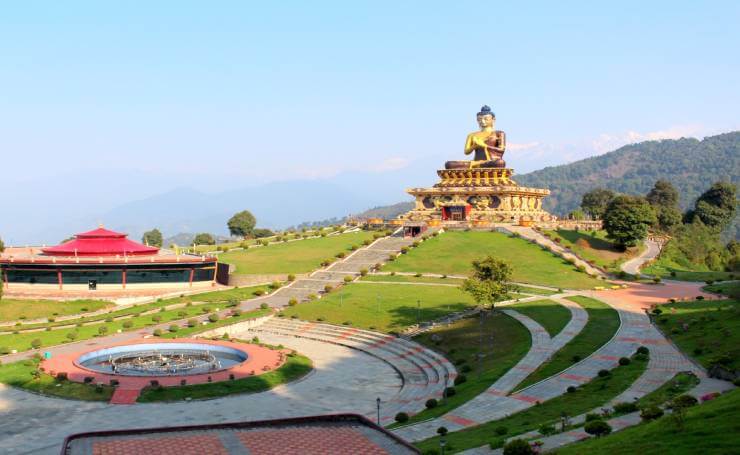
Solan’s cultural identity is also influenced by nearby heritage sites such as the Dagshai Jail Museum, which preserves stories from the colonial era, and the peaceful Bon Monastery, representing Tibetan spiritual traditions. These landmarks showcase the town’s diverse historical and cultural influences.
Religious & Cultural Roots
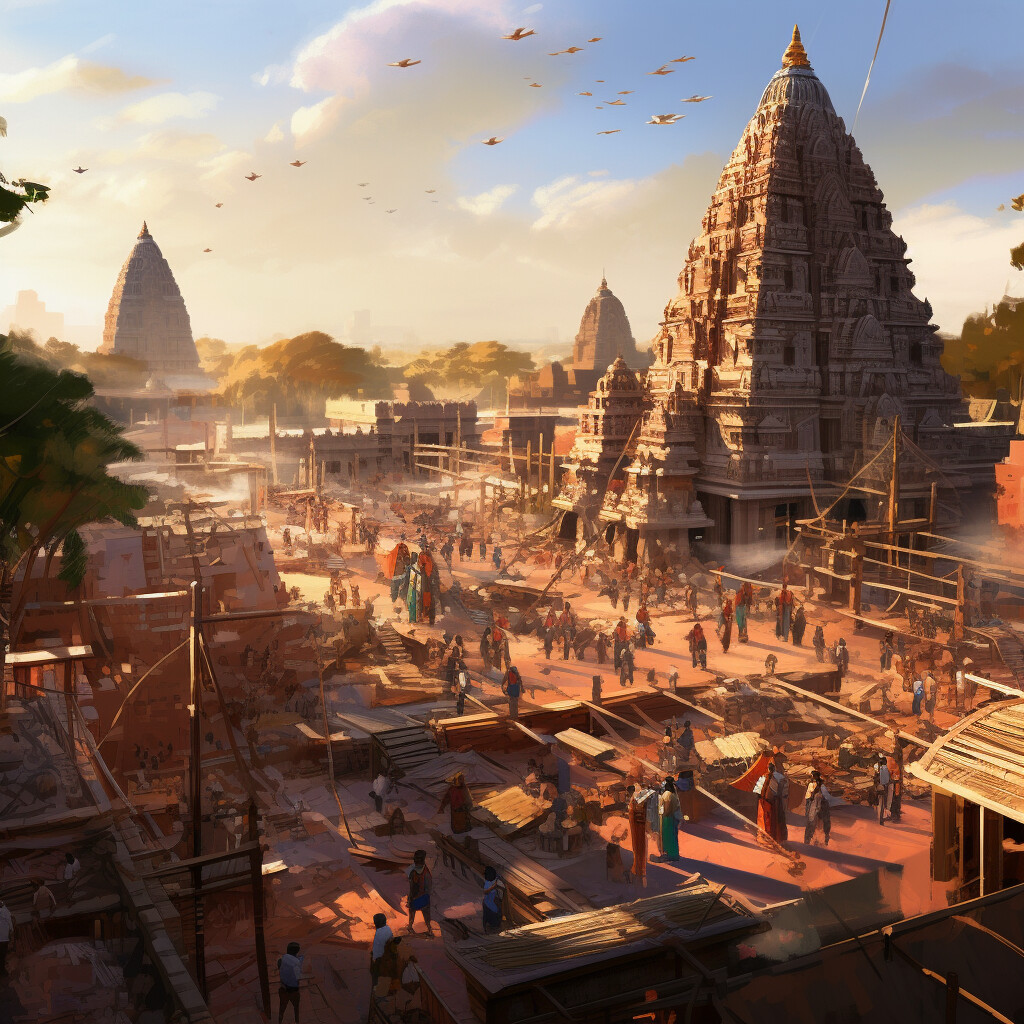
Shoolini Devi – The Spiritual Heart of Solan
The very name “Solan” is believed to be derived from Goddess Shoolini, a local manifestation of Goddess Durga.The Shoolini Mata Temple is the town’s central spiritual landmark.The deity is considered the guardian goddess of the region.According to local belief, Shoolini Devi protects the town from natural disasters and epidemics Shoolini Fair (Shoolini Mela)
Celebrated annually in June. Organized traditionally under the patronage of the rulers of Baghat State. The fair includes processions of the goddess, folk dances, music, and cultural programs. It represents the unity of religion and community lifeBefore organized temple worship, the region was inhabited by tribes like the Koli and Kirat communities.
Their beliefs included:Nature worship (mountains, rivers, forests) Spirit and ancestor worship Sacred groves and village deitiesEven today, many villages around Solan maintain small shrines dedicated to local deities (Gram Devtas), reflecting these ancient practices.
With the expansion of classical Hindu traditions across North India: Vedic rituals gradually integrated with local practices. Worship of Shiva, Durga, Vishnu, and local goddesses became prominent.
Forts & Trade Routes – Solan

Forts as Defensive Strongholds
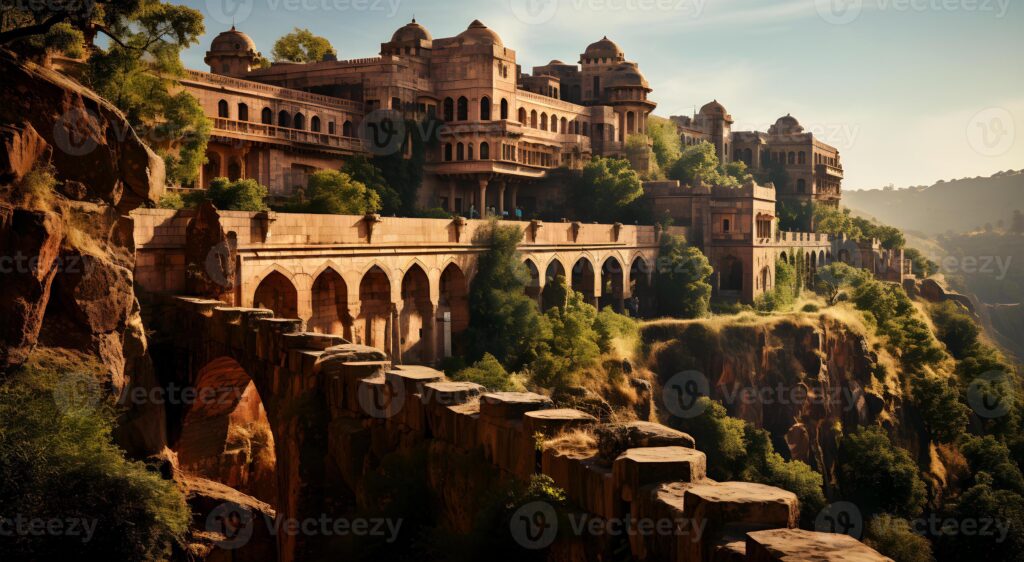
The region was influenced by nearby princely states such as Baghat State and Keonthal State, whose rulers built forts and fortified structures to protect their territories.
One of the most notable heritage landmarks near Solan is the historic Kuthar Fort. Believed to date back several centuries, this fort showcases traditional hill architecture, defensive design, and the royal legacy of the region. Such forts served multiple purposes: Military defense against invasions Administrative centers for local rulers Storage points for grain and supplies Safe shelters during conflicts These structures symbolized authority and ensured security along key travel routes.
Education & Innovation

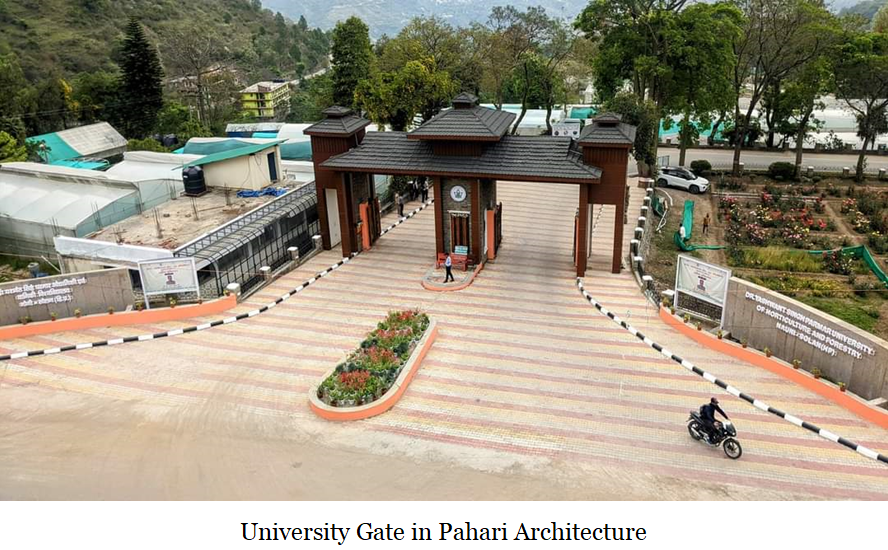
Dr. Yashwant Singh Parmar University of Horticulture and Forestry
Located in Nauni (about 13 – 15 km from Solan), this state university was established in 1985 with a focused mission to promote education, research, and extension in horticulture, forestry, and allied sciences through a Himalayan perspective. It offers undergraduate, postgraduate, MBA, and doctoral programmes tailored to agriculture and allied sectors, integrating practical learning with cutting-edge research.The university plays a strategic role in sustainable development by addressing food security, ecological balance, and livelihood improvement through its specialised academic and research initiatives.
A sprawling campus with modern facilities, hostels, labs, and research stations.Multi-disciplinary courses in horticulture, forestry, biotechnology and agribusiness.Outreach through training programmes and extension activities benefitting farmers across the region.
Agriculture & Specialty Farming
Mushroom Capital of India
Solan is proudly known as the “Mushroom City of India.” The district has become a national leader in mushroom cultivation, supported by research and training from Dr. Yashwant Singh Parmar University of Horticulture and Forestry. Farmers here produce high-quality button mushrooms and other varieties that are supplied across India.
The cool climate allows farmers to grow off-season vegetables such as capsicum, tomato, peas, and cauliflower, which are in high demand in nearby plains like Chandigarh and Delhi. This gives Solan a strong market advantage and steady income opportunities for rural communities.
Growth & Industry – Solan
Solan has emerged as one of the most economically dynamic districts of Himachal Pradesh. While known for its scenic beauty, the region is equally recognized for its strong industrial base, agricultural productivity, and growing service sector. The district is home to the renowned Baddi–Barotiwala–Nalagarh (BBN) Industrial Corridor, one of Asia’s largest pharmaceutical and manufacturing hubs. The town of Baddi plays a central role in this corridor, housing numerous national and multinational companies inParwanoo Industrial Estate – Known for food processing, light engineering, and manufacturing units. Chambaghat Industrial Area – Hosts electronics and MSME enterprises supporting local entrepreneurship. These areas strengthen Solan’s position as a leading industrial district in Himachal Pradesh.
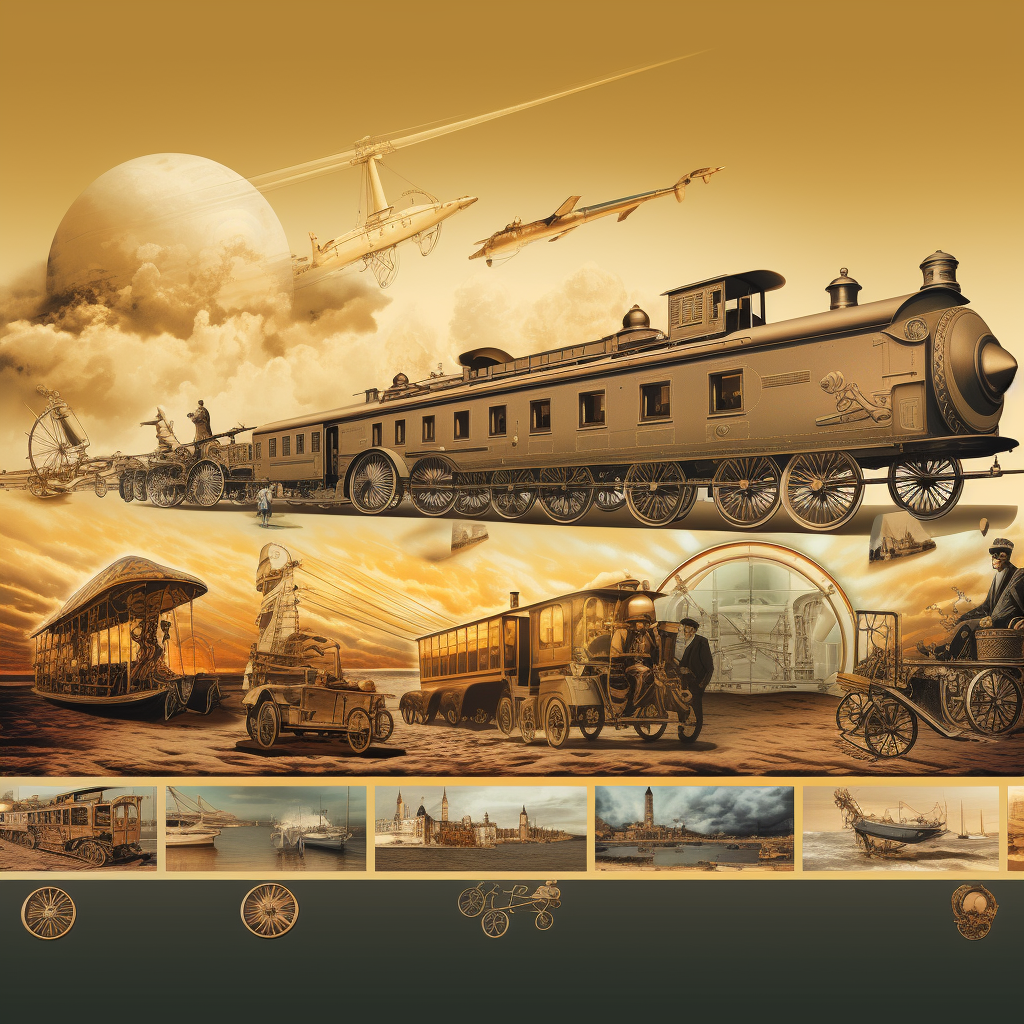
Railway & Local Transport
Solan is strategically located between Chandigarh and Shimla along the Himalayan foothills. Because of this prime position, Solan enjoys strong road and rail connectivity, making it one of the most accessible towns in Himachal Pradesh.
National Highway Connectivity Solan lies on the Kalka–Shimla Highway (NH-5), which connects: Chandigarh → Solan → Shimla Delhi → Chandigarh → Solan This highway is the main lifeline of the town and ensures smooth travel for tourists, commuters, and goods transport.
Bus Services
Regular buses operated by Himachal Road Transport Corporation (HRTC). Private Volvo and deluxe buses from Delhi and Chandigarh. Frequent services to Shimla, Kalka, Dharampur, Kasauli, and nearby towns.
Local Transport Taxis and cab services available throughout the town. Auto-rickshaws operate in local markets. Ride-sharing services operate between Solan and nearby cities.
Transportation in Solan is well-developed compared to many hill towns. With efficient roadways, the historic Kalka–Shimla railway, and proximity to major airports, Solan remains easily accessible while maintaining its peaceful hill-town charm.